The Astrobiology mission integrates biological and engineering research to develop countermeasures against the detrimental effects of spaceflight on cellular and human physiology. As commercial spaceflight expands and NASA's Artemis program prepares to return humans to the Moon, understanding the short- and long-term health risks astronauts face has become increasingly urgent. Our work spans plant biology, microbiology, human physiology, and hardware development, with findings that aim to protect astronaut health while contributing to medical science and technology on Earth.
Because space biology sits at the intersection of several disciplines, we train members from the ground up. Our STEM Workshop series gives general members foundational instruction in wet-lab technique, data analysis, scientific writing, CAD, and electronics.
Present our Astrobotany and Space Medicine research at ASGSR (December 2–5, Crystal City, VA): complete final data analysis on the irradiated Extra Dwarf Pak Choy trials, produce a quality poster, and represent the mission at the premier scientific forum in space biology.
Expand the Pak Choy dataset through continued 28-day growth trials, deepening our vitamin, genomic, and Folin-Ciocalteu phenolic profiles across irradiated and non-irradiated conditions.
Move toward genetic engineering microbes for Bioregenerative Life Support Systems (BLiSS)
Integrate the completed 3D clinostat into live biological experiments: manufacture PDMS petri dishes, iterate on the centerpiece holder designs, recalibrate the Arduino control system, and stabilize rotation for experimental use across subteams.
Establish a Data Science subteam
Sterile technique and cell culturing
Immunofluorescence
DNA/RNA extraction and analysis
Plant tissue handling and growth trial management
Assay execution (AlamarBlue, Folin-Ciocalteu)
High-Performance Liquid Chromatography (HPLC)
Cryomilling and sample preparation
Vitamin and phenolic isolation and quantification
Programming in R and/or Python, particularly for multiomics analysis
Statistical analysis and experimental design
Data pipeline construction and documentation
CAD (Fusion 360)
3D printing and design iteration
Soldering and basic electronics
Arduino programming and calibration
Mechanical design for rotating systems
Scientific writing and protocol authorship
Grant proposal writing
Poster design and conference presentation
Willingness to learn
Adaptability
Sent a payload to the International Space Station testing the impacts of microgravity on bacterial resistance to antibiotics.
Partnered with NASA’s Biotechnology and Planetary Protection Group to study the efficacy of ZnO synthesis and its antimicrobial properties in microgravity.
Collaborated with the Mason Lab at Weill Cornell Medicine and the Church Lab at Harvard.
Studied the possible impact of dysfunctional mitochondrial transfer between stem cells on spaceflight-induced anemia.
Conducted a city-wide research project examining bacterial load across the New York City subway system.
Completed three 28-day growth trials on irradiated and non-irradiated Extra Dwarf Pak Choy, a NASA cultivar grown aboard the ISS, using Californium-252 as the radiation source.
Authored comprehensive original protocols for vitamin isolation and quantification, Folin-Ciocalteu phenolic assays, lignin content analysis, and sodium resistance.
Submitted a formal proposal to the American Society for Gravitational and Space Research Conference.
Built out Columbia research collaborations enabling access to cryomilling technology (with Collin Schmidt), the Barnard Chemistry Department’s HPLC system, and the Biomedical Engineering Teaching Laboratory for primary botany trials.
Completed a working 3D clinostat for simulating microgravity, resolving the shear-force and fluid-sloshing problems of the first-generation falcon tube design through a redesign around plasma-treated PDMS petri dishes.
Prototyped and evaluated three distinct centerpiece holder geometries: a stacked shelf enclosure, a hinged latch mechanism, and a cube design.
Ran a comprehensive STEM Workshop series covering introductory space biology, cell culturing, immunofluorescence, DNA/RNA extraction and analysis, multiomics analysis, CAD in Fusion, and soldering.
Hosted guest speakers Theodore Nelson and Sydney England, who shared firsthand perspectives on entering the field of space biology as early-career scientists.
The Astrobiology mission spent the academic year learning about spaceflight and its effects on biological systems–namely, spaceflight-induced anemia and decreased bone density due to long-term exposure to microgravity.
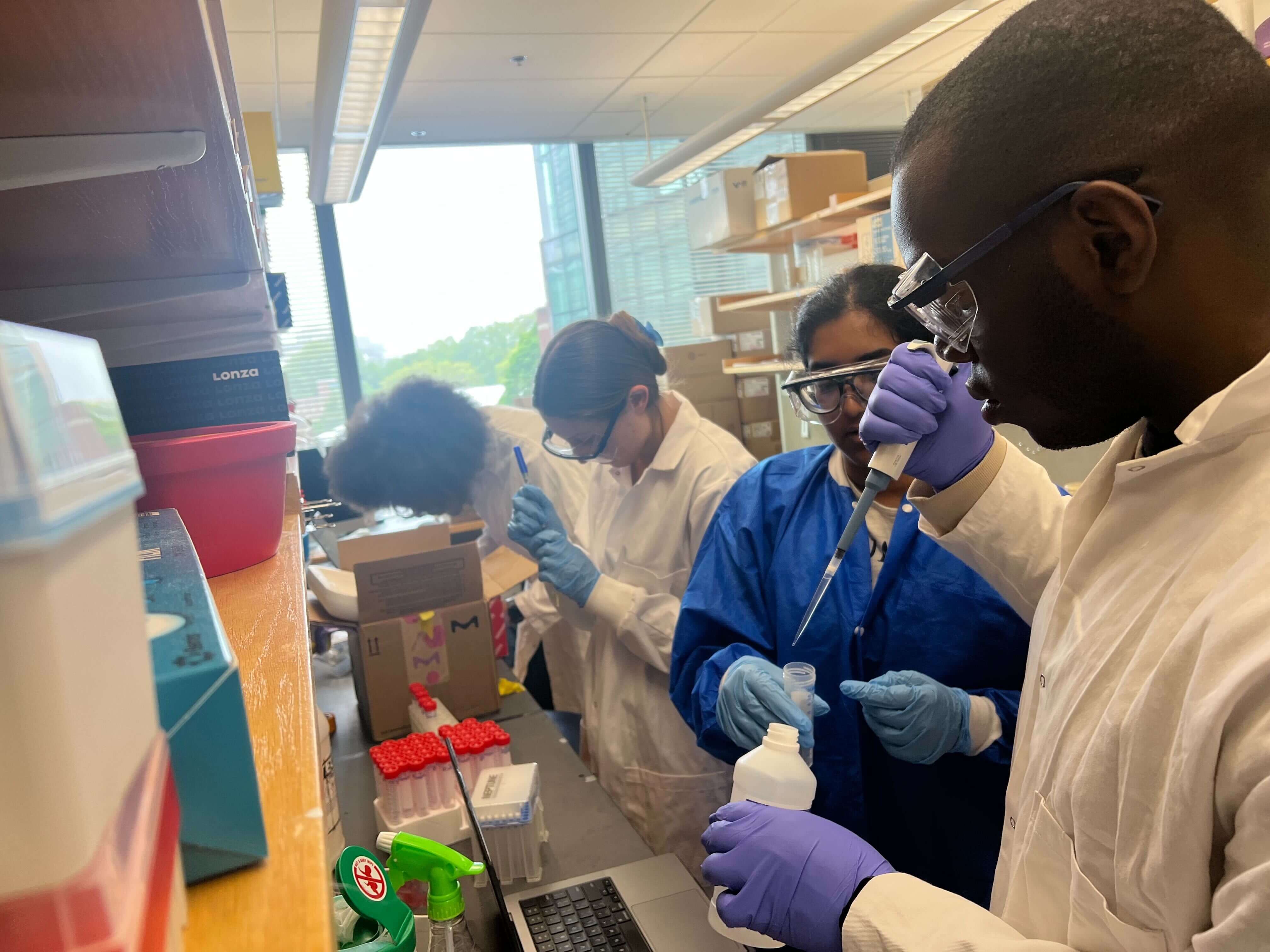
The project aimed to identify changes in the quantity of genetic material pre- and post-exposure to microgravity. To achieve this, the team designed, prototyped, and implemented their own in-flight hardware, which allowed for a timed release of DNA/RNA preservative into HeLa cells for further extraction, isolation, and quantification.
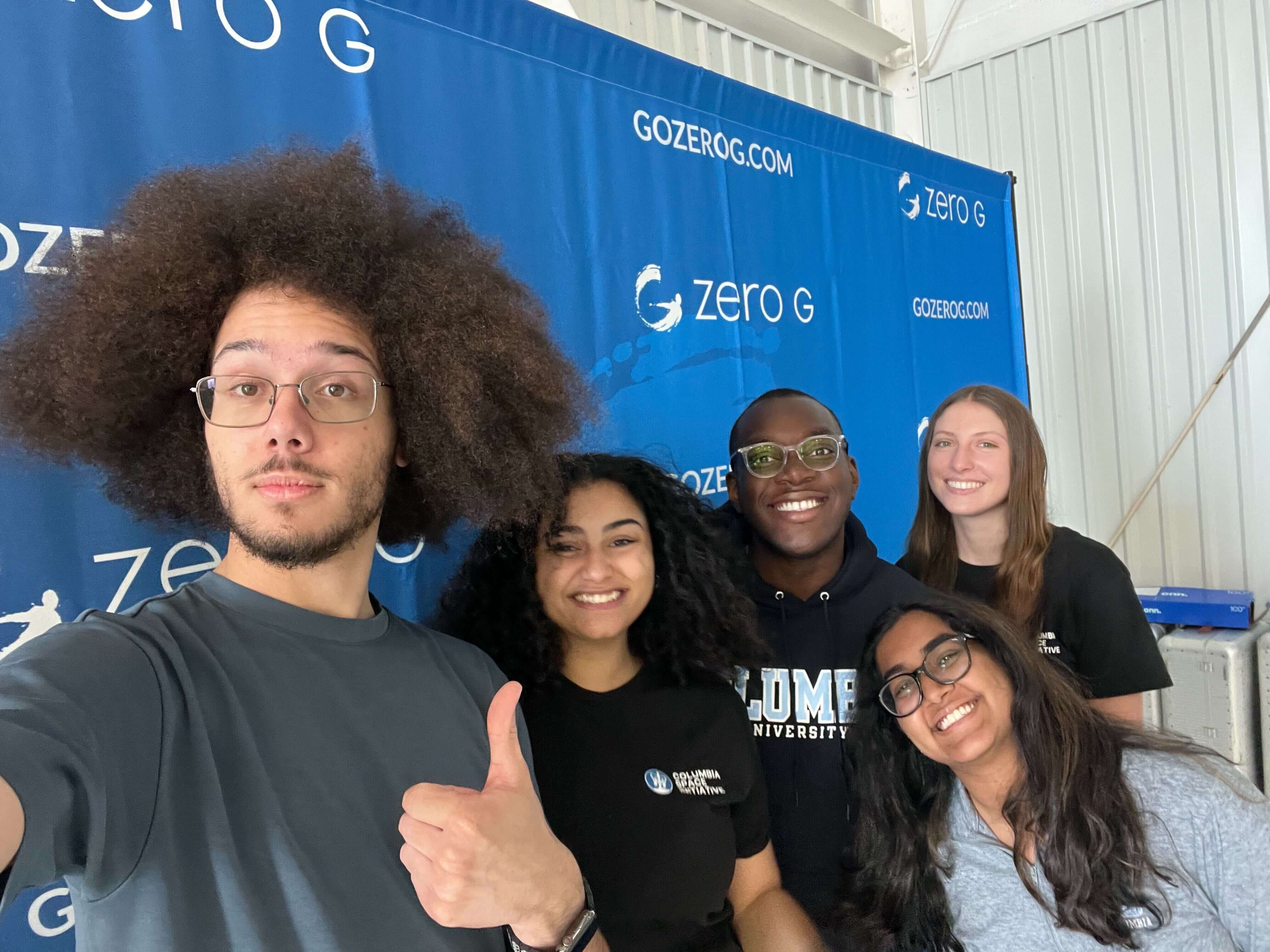
From May 17th to May 24th, the team took their samples to Boston to collaborate with the George Church Lab at Harvard, and to New Hampshire to work with Weill Cornell’s Dr. Christopher E. Mason for an authentic microgravity experience via the Aurelia Institute and their parabolic flight programming.
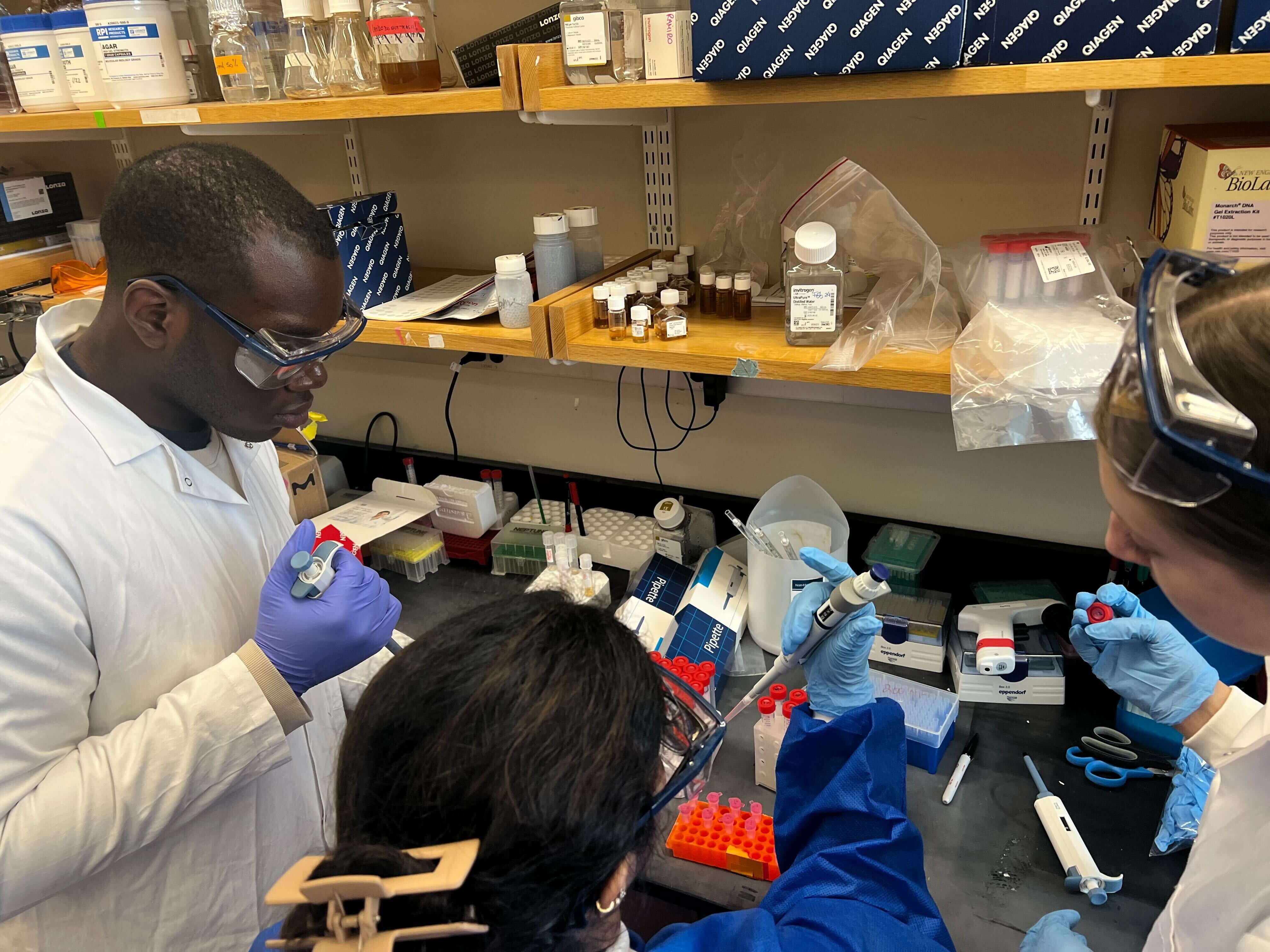
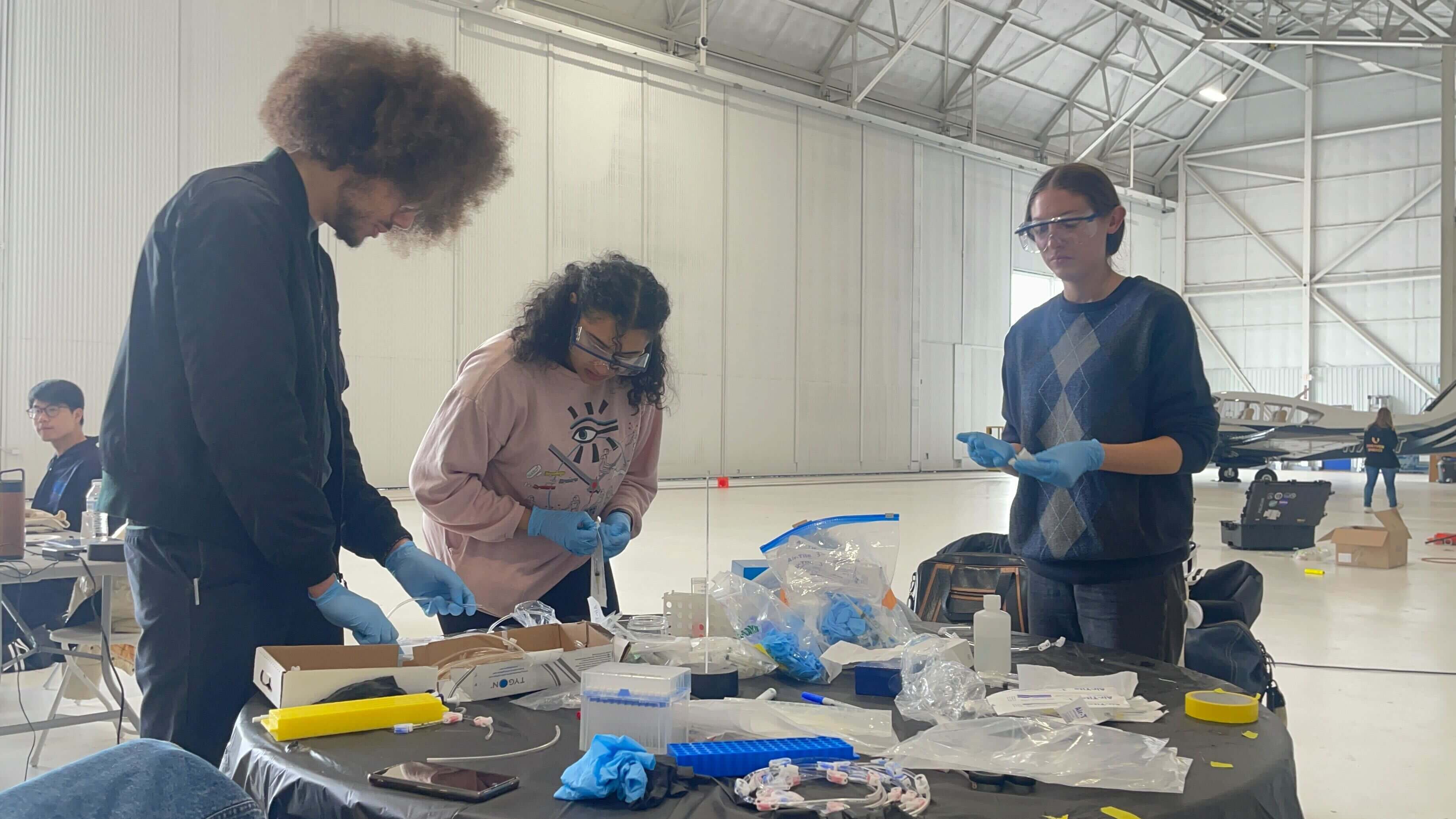
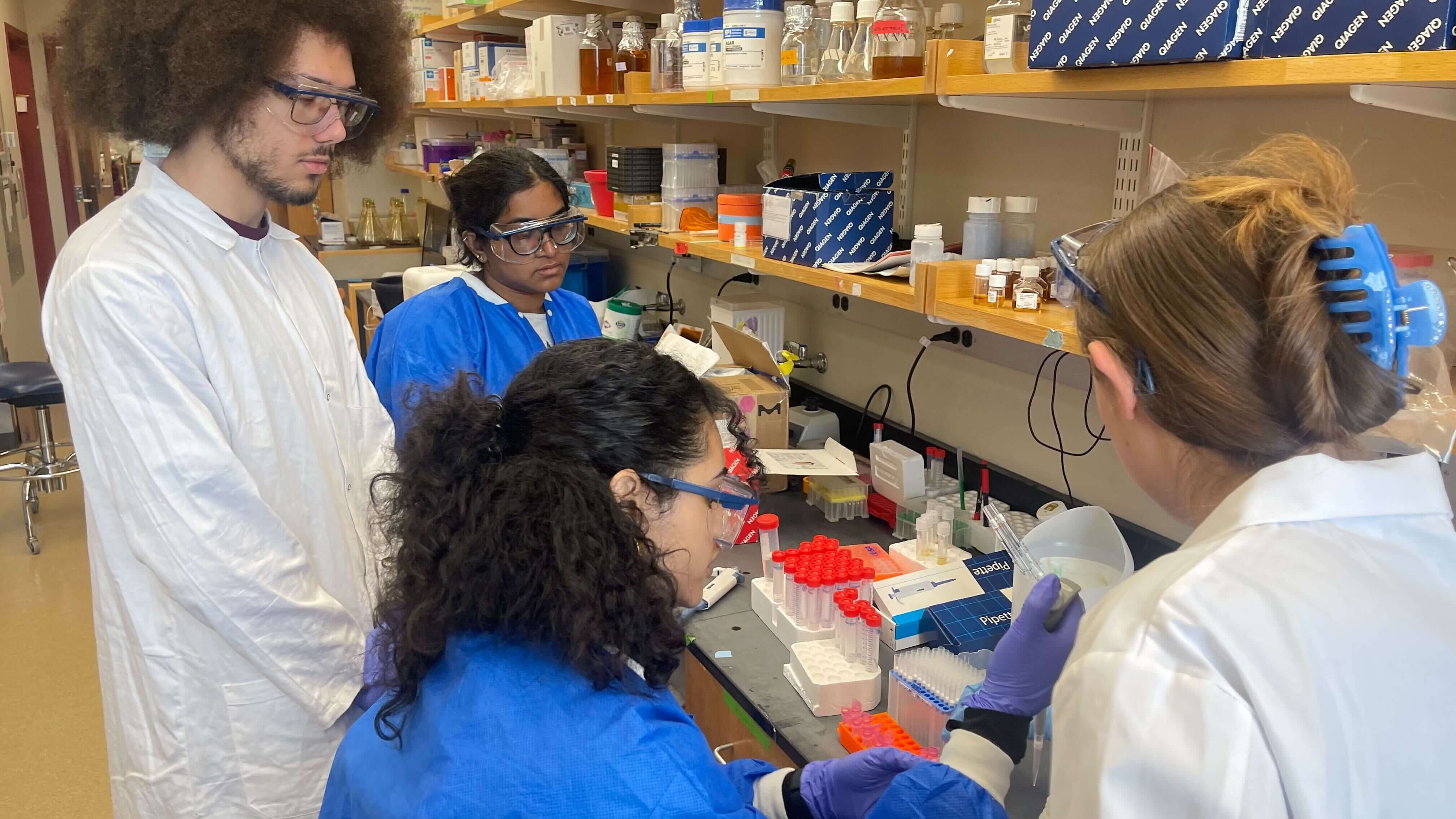
See below for a selection of pictures from their visits.
A special look into the Space Microbiology’s visit to NASA’s Jet Propulsion Laboratory (JPL)!
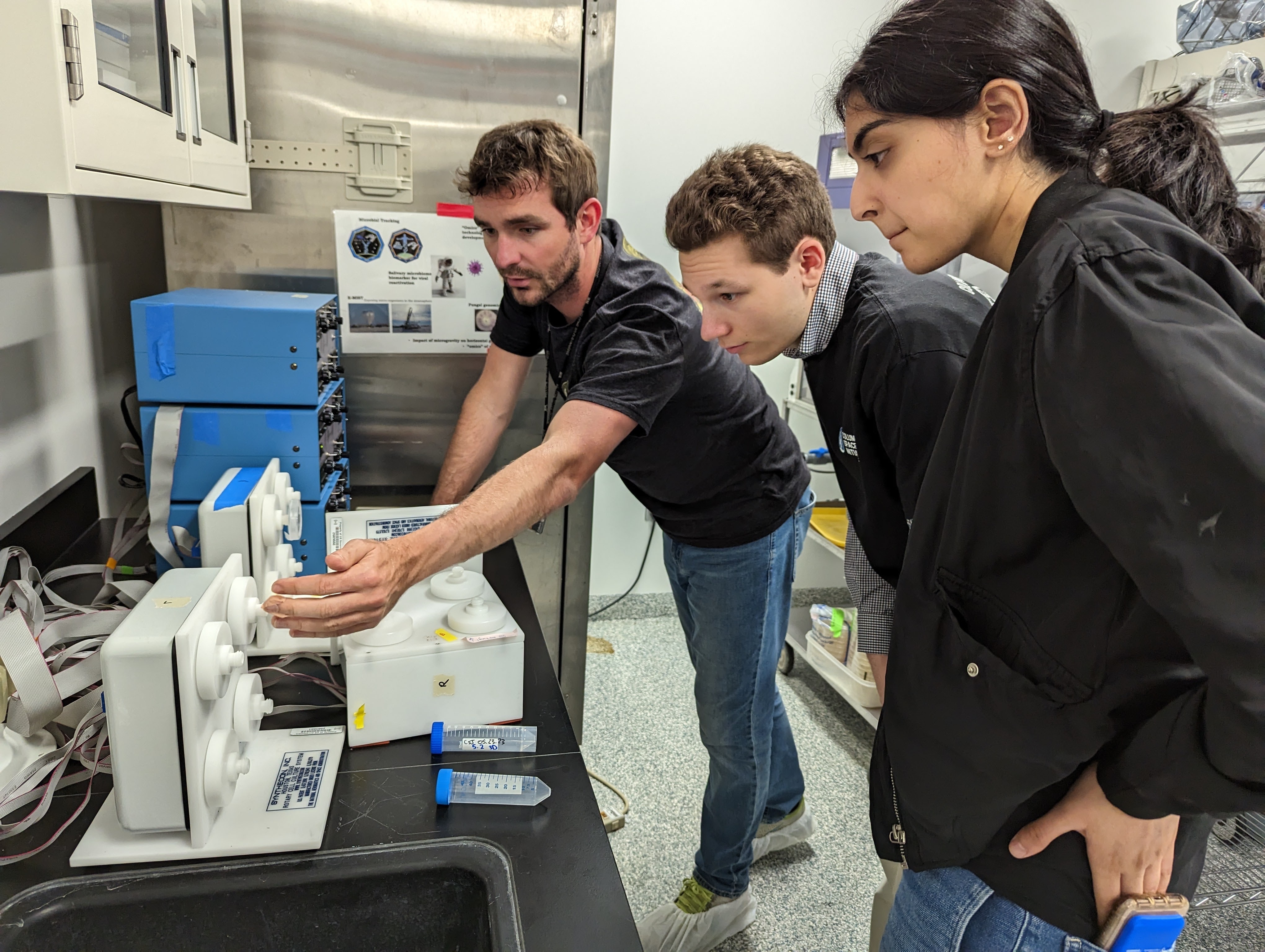
Host Dr. Ceth Parker, and Space Microbiology Co-Leads Miriam Aziz and Theodore Nelson, inspect the rotary cell culture system (RCCS) from Synthecon, one of the 2D ‘simulated microgravity’ clinostats.
From left to right: Dr. Ceth Parker, Theodore Nelson, Miriam Aziz
Image courtesy of Jake Lee
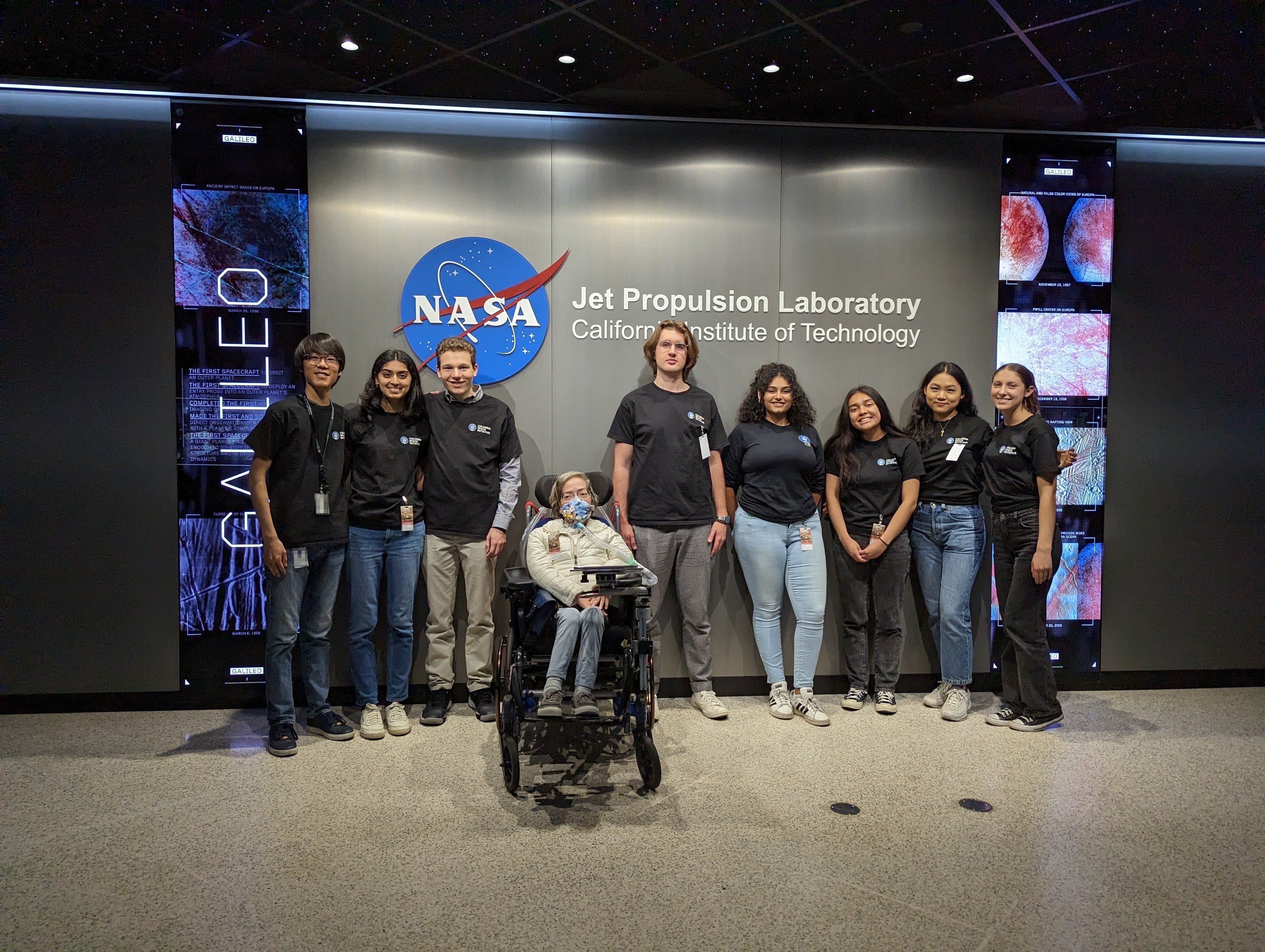
JPL Escort Jake Lee and the Space Microbiology Team pose for a photo in the lobby of the Mission Control Center at NASA JPL.
From left to right: Jake Lee, Miriam Aziz, Theodore Nelson, Michelle Brose, Błażej Raszewski, Chloe Jones, Rashell Ramirez, Somin Lee, Brianna Przywozny
Image courtesy of Jake Lee
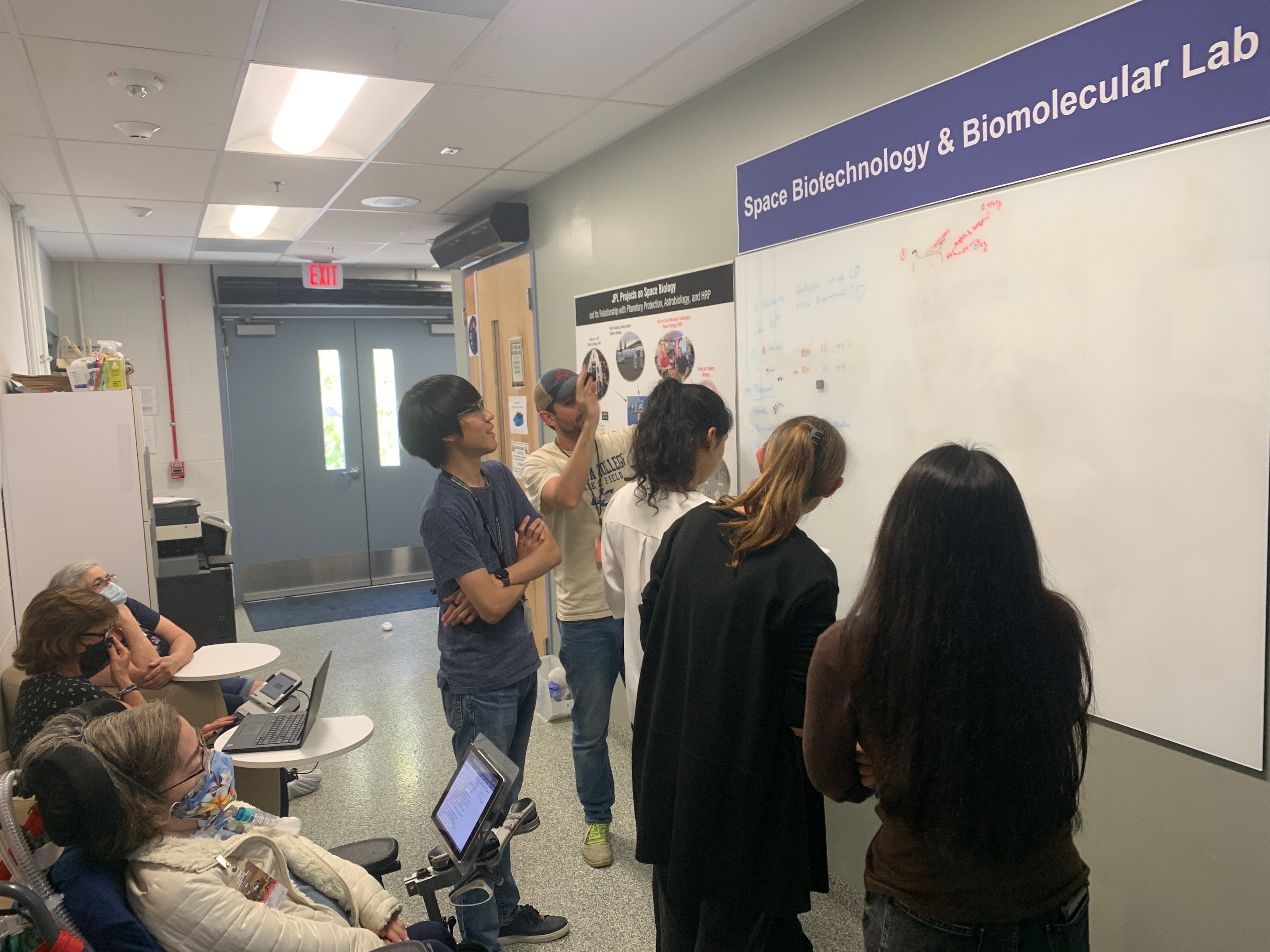
Host Dr. Ceth Parker, and Space Microbiology Team Members Somin Lee, Michelle Brose, Brianna Przywozny, and Rashell Ramirez outline the planned zinc oxide formation experiment on the whiteboard.
From left to right: Michelle Brose, Jake Lee, Dr. Ceth Parker, Somin Lee, Brianna Przywozny, Rashell Ramirez
Image courtesy of Miriam Aziz
The Space Microbiology Team poses in front of a sign that reads ‘Dare Mighty Things!’ a slogan associated with NASA’s rover missions to Mars.
From left to right: Theodore Nelson, Miriam Aziz, Brianna Przywozny, Somin Lee, Michelle Brose, Rashell Ramirez, Błażej Raszewski, Chloe Jones
Image courtesy of Theodore Nelson
The Space Microbiology Team poses in front of the stone JPL sign at the entrance to the campus.
From left to right: Michelle Brose, Theodore Nelson, Miriam Aziz, Somin Lee, Brianna Przywozny, Rashell Ramirez, Chloe Jones
Image courtesy of Theodore Nelson
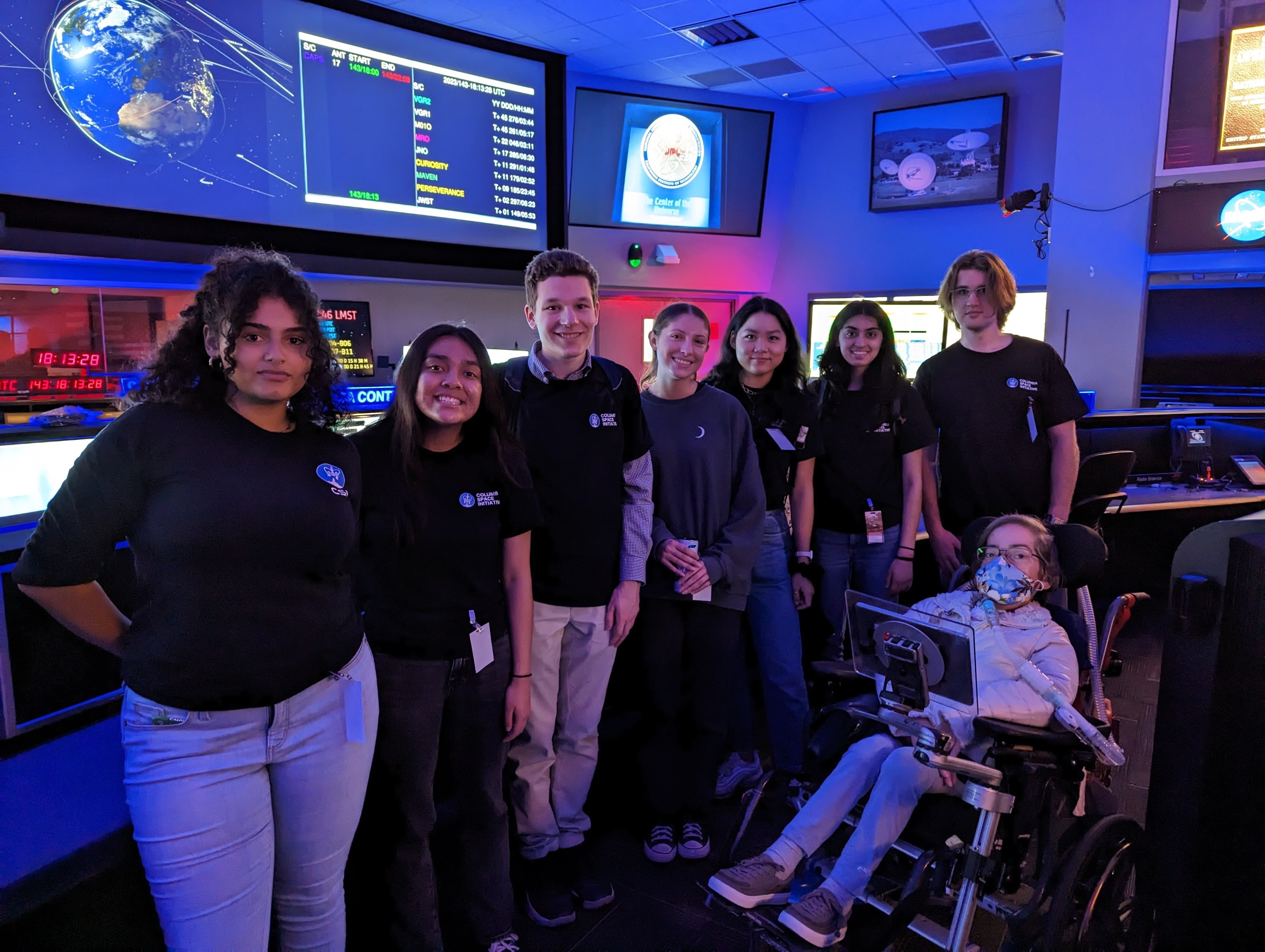
The Space Microbiology Team poses inside the JPL Mission Control Center.
From left to right: Chloe Jones, Rashell Ramirez, Theodore Nelson, Brianna Przywozny, Somin Lee, Miriam Aziz, Błażej Raszewski, Michelle Brose
Image courtesy of Jake Lee